Where ants are getting in: a room-by-room inspection
Ants don't appear out of nowhere. They follow trails from an outdoor nest, through tiny gaps in your home's shell, straight to a food source. Finding those gaps is the first step toward lasting control. It's not about sealing every crack you see, it's about knowing which cracks matter and why.
A thorough inspection takes maybe an hour, and you don't need special tools. A flashlight, a small mirror for looking behind appliances, and a screwdriver for poking at soft wood are enough. The goal is to trace the ant's path back to its entry point, then close that route for good.
Kitchen: the main attraction
Start where the ants are. Kitchens offer water, warmth, and spilled sugar. Check under the sink first. Pipes that pass through the floor or wall often have a gap around them, left by the installer or created when the pipe shifts. Even a gap as thin as a credit card is wide enough for sugar ants to pass. Seal these with caulk or expanding foam, but only after you've fixed any leaks, moisture damage attracts carpenter ants as much as food attracts other species.
Look at the baseboards where they meet the floor. A gap of a few millimetres can run the length of a cabinet, giving ants a highway from the wall void to your countertop. Run your finger along the seam. If you feel a draft, ants can get through. A bead of caulk here is an easy fix.
Behind the refrigerator and the dishwasher are two spots that rarely get cleaned. Crumbs, grease, and condensation collect there. Ants that find this food source will establish a trail. Pull the appliances out far enough to see the wall behind them. Look for cracks in the drywall or gaps where the floor meets the wall. Vacuum up any debris, and seal openings with silicone caulk.
Basement and crawl space: the hidden entry
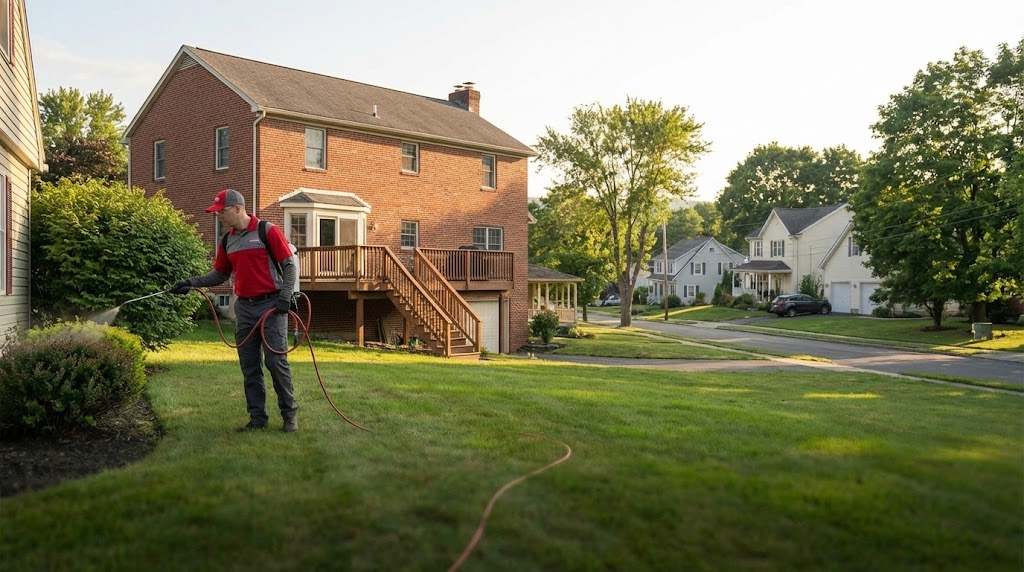
Most ant colonies live outdoors, so the route into your home often starts below ground level. In a basement, inspect the rim joist, the wooden board that sits on top of the foundation wall. This is where carpenter ants love to enter. They look for wood that is damp from contact with the foundation. Use your screwdriver to probe any discoloured or soft wood. If it sinks in easily, you may have moisture damage and an active entry point.
Check every pipe and wire that enters the basement from outside. Utility penetrations, where gas, water, or electrical lines come through the wall, often have a foam seal that has cracked or been gnawed by rodents. Replace any damaged sealant. Also look for gaps where the foundation wall meets the sill plate. A gap here can let in hundreds of ants over a season.
Crawl spaces are harder to inspect but worth the trouble. Wear a mask and gloves, and bring a bright light. Look for soil that touches the wood framing, that is a direct bridge for ants. Also look for standing water or damp insulation, both of which soften wood and invite colonies. If you find moisture, the fix is a job for a qualified professional, but identifying the source of the dampness helps them work faster.
Doors and windows: the obvious but overlooked
Ants can squeeze through a gap that you'd never notice. The bottom of an exterior door is a classic entry point. Place a flashlight on the floor inside the room and go outside. If you see light under the door, ants can get in. A door sweep is an easy install and blocks that gap. Do the same for window sashes, close the window and check for light around the edges. Weather stripping wears out over a few years. Replace it.
Check the threshold of sliding glass doors. The track can collect dirt and debris that ants use as a ramp. Vacuum the track, then look for gaps between the frame and the siding. Seal those gaps with a paintable acrylic caulk.
Attic and roofline: the high path
Some ants, especially carpenter ants, travel through the attic. They follow roof rafters and look for wood that is wet from a leaky roof or poor venting. Shine your light into the attic corners. Look for sawdust-like frass, that is a sign of an active colony. The frass collects below the entry hole. Trace the hole back to the exterior: a gap where the siding meets the roofline, or a missing piece of soffit.
Also check where the chimney meets the roof. Flashing that has pulled away leaves a gap wide enough for ants and other pests. Do not attempt to seal this yourself if it involves working at height, call a qualified professional. But note the spot so you can describe it when you make the call.
Gable vents and ridge vents are covered with mesh, but the mesh can rust or tear. If you see daylight through a vent, replace the mesh. Ants use vents as a direct route into the attic.
Garage: the overlooked bridge
Garages connect the outdoors to the house. The gap under the garage door is often large enough to let ants pass. If the rubber seal at the bottom is cracked or missing, replace it. Check the walls where they meet the floor, this joint is rarely sealed well in a garage. A line of caulk there blocks the path.
Look at the wall that separates the garage from the living area. Pipes, wires, or ducts that pass through that wall often have unsealed gaps. Ants travel from the garage into the kitchen or laundry room through those gaps. Seal them with fire-rated caulk if the penetration is near a furnace or water heater, for safety.
Store firewood and landscaping materials away from the garage wall. Wood piles are a favourite nesting spot for ants. If you must store them against the house, you are inviting the colony to find a way inside.
Exterior perimeter: the final check
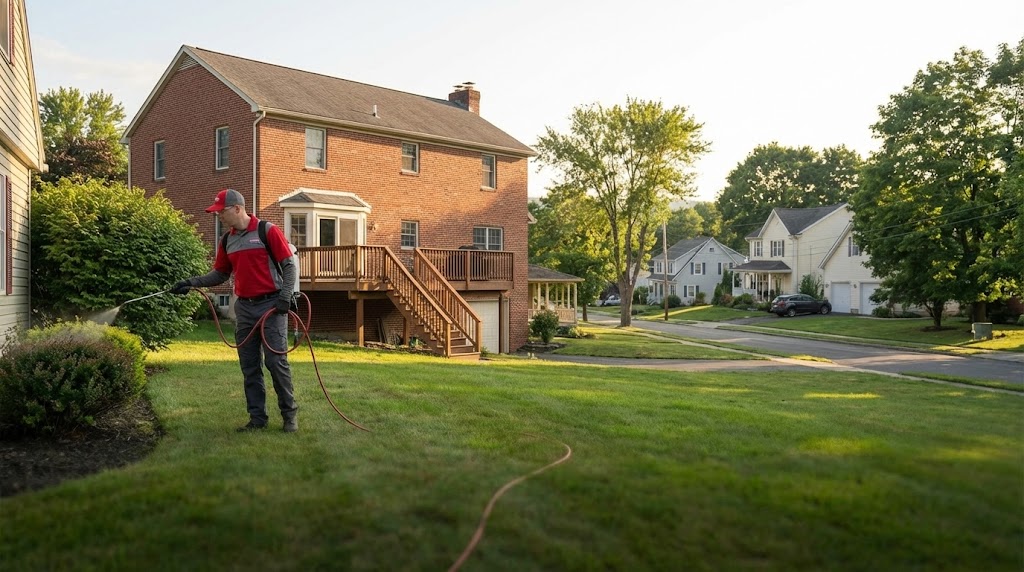
Walk the outside of your home. Look for foundation cracks. A crack that is wider than a hairline can let ants in. Fill small cracks with a masonry patching compound. Larger cracks may indicate settling and should be inspected by a professional, not because of ants, but because the crack itself could worsen.
Check where the foundation meets the soil. The soil should slope away from the house, not toward it. If water pools against the foundation, it softens the mortar and creates gaps. A downspout that empties too close to the house does the same thing. Extend the downspout at least three feet from the foundation.
Look at the outdoor faucets and hose bibs. A small leak here keeps the soil damp and attracts ants. Fix the leak, then seal the gap around the pipe with a silicone-based caulk.
Finally, inspect the drip edge of the roof. If the drip edge is not properly installed, water runs down the siding and creates rot at the bottom of the wall. Rotting wood is a magnet for carpenter ants. If you see discoloured or soft siding, the underlying wood may be compromised. A qualified professional can assess the extent of the damage.
Putting it together
Once you have identified and sealed the entry points, the next step is to eliminate the ants already inside. Bait stations placed along ant trails can reduce the colony over a few weeks. But bait works best when the ants have no easy access to other food, so wipe down counters, sweep floors, and store food in sealed containers.
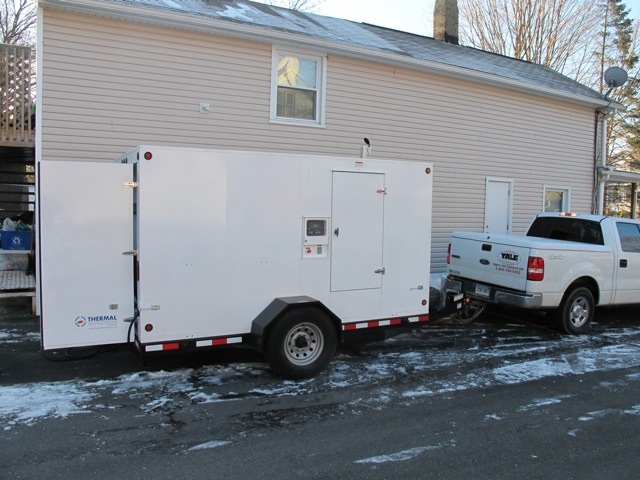
For larger infestations or for species like carpenter ants that can damage wood, a more thorough approach may be needed. In such cases, a professional residential ant treatment targets the colony directly, often with a combination of baiting, dusting, and sealing that is beyond the reach of a homeowner's toolkit. Yale Pest Control provides residential and commercial pest control services across three Connecticut counties, and their technicians are trained to locate hidden nests and treat them at the source.
Sealing entry points is the part of pest control you can do yourself. It cuts off the supply of new ants and makes any treatment that follows more effective. But it's not a complete solution on its own. Ants that have already built a nest inside a wall cavity or under a slab will keep coming until the nest is treated. A combination of exclusion and targeted treatment gives the best result.
Start with the checklist above, work through each room, and you will have a clear picture of where your home is vulnerable. That clarity is what makes residential ant treatment work, whether you handle it yourself or call a professional. Yale Pest Control offers the expertise to finish the job when the DIY approach reaches its limit.